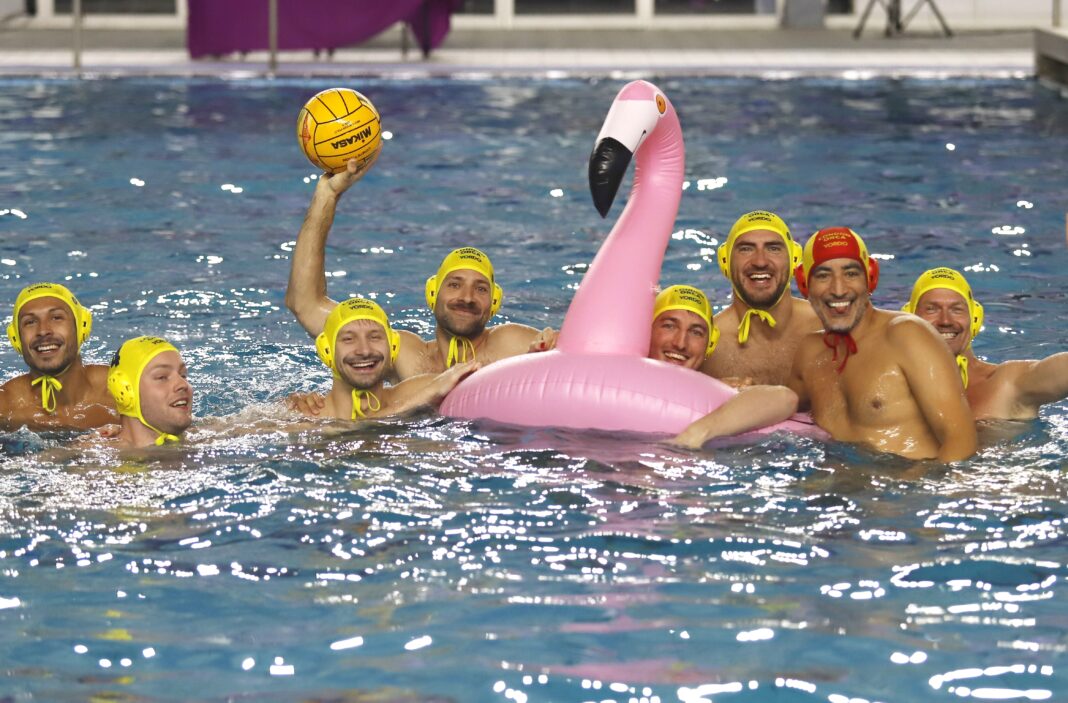
The Gay Games can make any athlete feel accomplished, whether they leave with the gold or not. But the Gay Games provide something more precious than a medal: a new tribe.
Sharang Biswas, a games designer, writer and professor of Game Studies at NYU, says he’s excited to compete at the 2026 Gay Games in València, Spain, because he knows that organizers have created an environment in which both amateur and professional athletes can compete for medals. Biswas, who doesn’t consider himself a serious swimmer, still recalls being swept up by the spirit of inclusiveness at the Guadalajara Games’ opening ceremony in 2023. “When I stepped onto the field with my team with a badge that said ‘Atleta,’ I was like, these people are here to cheer, not specifically for me, but kind of for me…and thinking of me as an athlete.”
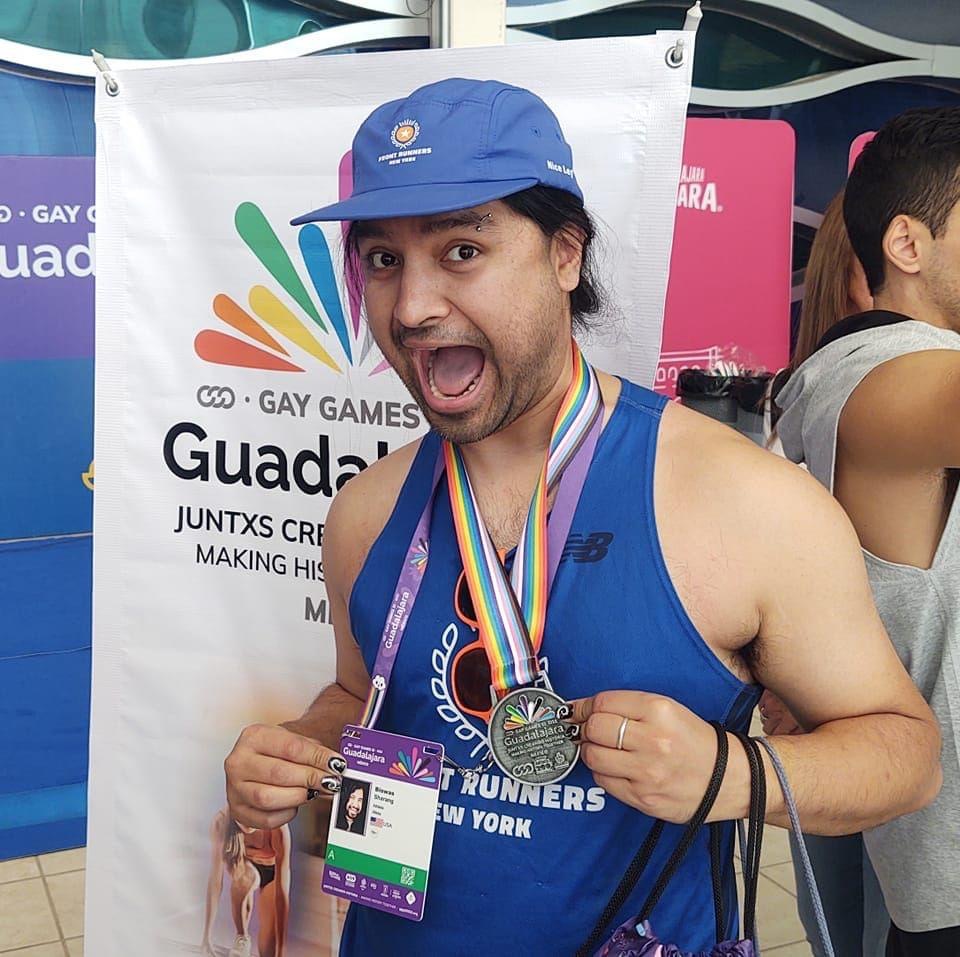
Biswas admits he’s more excited about the social aspect of the games than in making a major splash at his swimming events. “I want to participate and have a good time. If I don’t get disqualified, I’ll have success,” he says. “If I meet and kiss a cute boy, that will also be a success.”
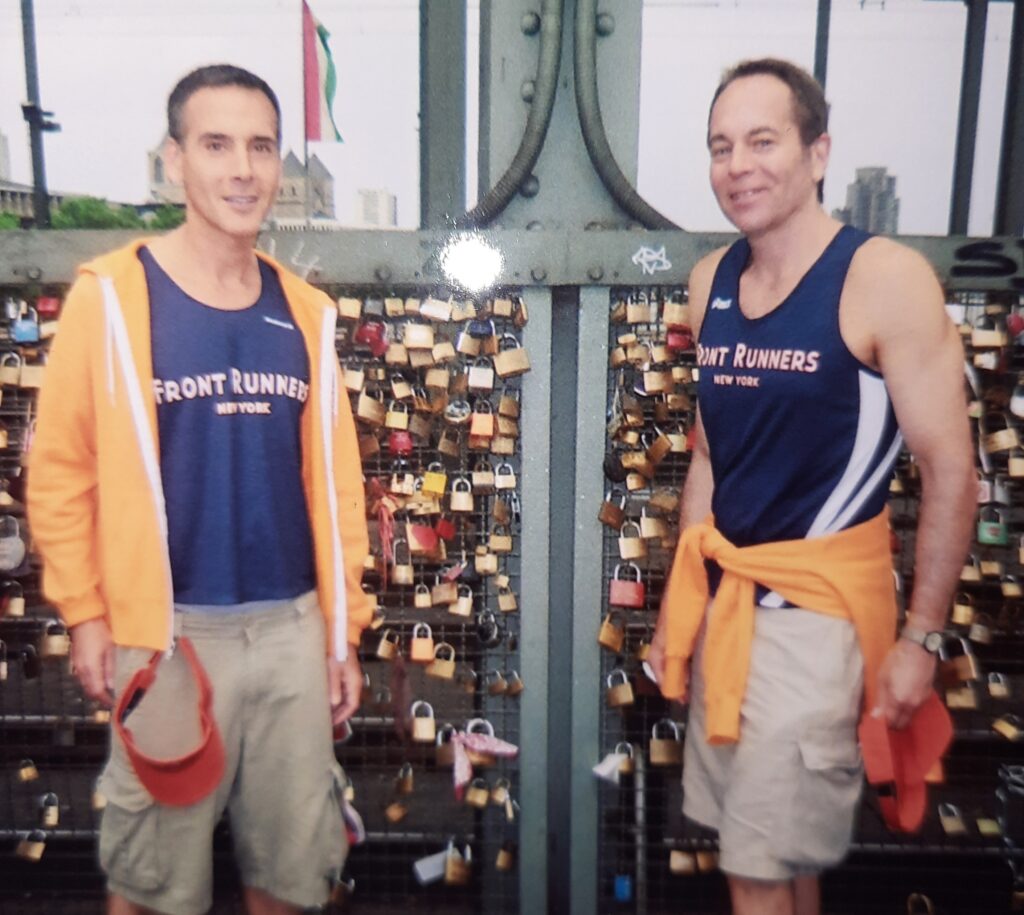
Married couple Richard Tesler and Martin Perl, from New York, have been to eight Gay Games together and enjoy seeing how the games have grown and attracted more athletes as the world has politically evolved.
“In 1982, 1986, no one was coming from the Soviet Union or Czechoslovakia or East Germany,” says Perl, who will be competing in the 5K and 10K this year in Spain. “I remember when we were in Cologne in 2010, there was this woman, a lesbian, who’d found refuge in Germany from Iran. So for her, there was still hope. To meet someone like that was really encouraging.”
Biswas, Tesler and Perl are just three of thousands of athletes who expect magic to occur when the Gay Games jump into action between June 27 and July 4 in València. By the same token, it takes a lot of decidedly non-magical manoeuvring to pull off such a massive event. The success of a Gay Games boils down to two things: hard work and politics. With València 2026, there has been a lot of politicking. In fact, the entire city government has changed, from one that fought for the Gay Games to take place to one that feels indifferent toward them.
Will the athletes even notice? Not if they’re having a good time.
When Dr. Tom Waddell founded the Gay Games in 1982, it was a gathering of a mere 1,300 athletes in San Francisco; however, the multisport LGBTQ2S+ athletic competition soon became a quadrennial cultural event, attracting mainstream international recognition. At the 1990 Games in Vancouver and the 1994 Games in New York, athletes set sanctioned world records in swimming, bringing legitimacy to LGBTQ2S+ sporting competitions. At the 2014 Games in Cleveland and Akron, U.S. President Barack Obama gave an empowering speech at the opening ceremony. At Paris’s 2018 games, a whopping 10,000 participants, 20,000 visitors and 750,000 spectators descended upon the City of Light, solidifying the Games’ reputation as a global athletic event drawing in queer and allied athletes alike.
Perhaps that’s why it was so disappointing when, five years later, COVID-19 travel restrictions and political pressures forced Hong Kong to split hosting duties with Guadalajara for the 2023 Games, leading to an overall turnout of only 5,000 athletes across the two cities.
Organizers of the 2026 event in València are hoping to recapture the Games’ pre-pandemic glory. The return to Europe, and the move to a country that’s famous for hosting fantastically produced LGBTQ+ events, should help. It hasn’t been a walk in the park. After the far-right national Vox party formed a joint coalition with Spain’s conservative People’s Party in 2023, to govern the wider València region, local LGBTQ+ groups in València decided to split with the Gay Games organizing committee. In this way, València 2026 is already testing whether the Gay Games’ stated principles of “participation, inclusion and personal best” can endure amid rising political headwinds in Europe.
That’s a challenge that organizers have tackled head on. An “Oficina Técnica” composed of queer volunteers and allies continues to manage the day-to-day operations of the Games in tandem with the local government. As of February 2026, the event has already registered more than 7,000 participants. Official projections estimate the Games will ultimately attract over 10,000 participants and 40,000 visitors from more 70 countries, resulting in around 250,000 overnight stays and an estimated €120 million (US$139 million) in direct economic impact for the city’s restaurants, hotels and attractions.
“València faces 2026 with the conviction that these games will contribute positively to the city, reinforcing its image as an open, inclusive destination committed to diversity, both within and beyond the sporting and cultural spheres,” says David Gómez of Visit València, the city’s tourism foundation, which has a spot with the 2026 organizing committee.
Indeed, this eastern coastal city’s reputation as an “egalitarian, diverse and inclusive city” with “one of the most advanced LGBTQ+ legislations in the world” was partly why it won the bid to host the 2026 Games over Guadalajara and Munich back in 2021. (The 2023 games in Guadalajara were a sort of consolation prize for the city.) València had been one of Spain’s brightest beacons of progress thanks to its increasingly popular Pride festival, its early adoption of self-gender determination legislation and its sturdy network of local LGBTQ+ organizations.
Of course, that was before Vox and the People’s Party took over the València region in 2023. The Vox spokesperson at the time declared the Gay Games “an invention of cultural Marxism.”
Amid these political tremors, local LGBTQ+ organizations like Lambda and DRACS were still willing to work with their city’s new far-right leaders, to ensure a smooth Gay Games. Unfortunately, those tremors became a seismic shift when the València City Council began to exclude local LGBTQ+ organizations from major decisions in the lead-up to the games. The real rift occurred in May 2024, when Lambda and DRACS, along with original committee members Fundació València Diversitat and AVEGAL, announced their formal withdrawal from the 2026 organizing committee, calling the city council takeover a “secuestro” (hijacking).
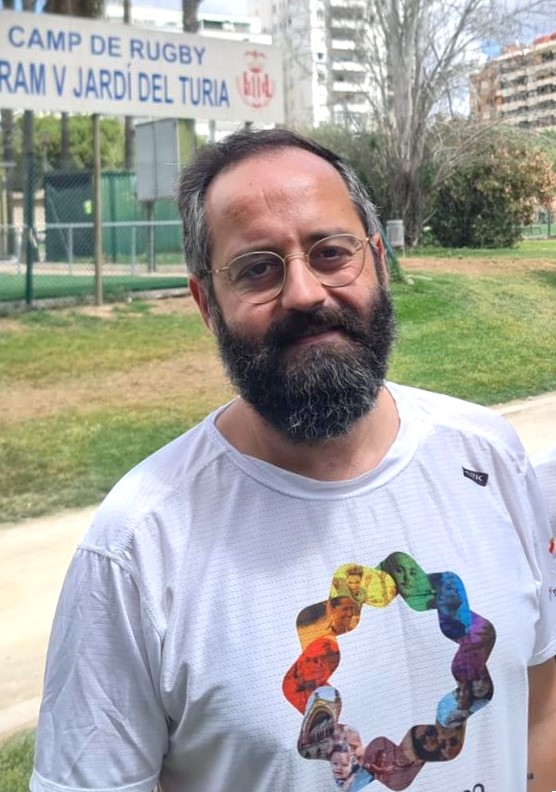
Jon Landa Diestro, an occasional spokesperson for the games and an openly queer volunteer within the Oficina Técnica, now describes the relationship between the local government and the Oficina Técnica as professional and efficient. “When we make decisions, we go through the organizing committee, and all decisions have been unanimously approved…because they have to approve them from a legal point of view.”
But the centre-right and far-right-controlled regional government of València further worried the queer community in May 2025 when it approved regional amendments to Spain’s federal 2023 Trans Law. These amendments rolled back protections for trans Valencians, weakened bans on conversion practices and removed requirements for schools to mention gender identity and sexual diversity in their classrooms. Although those amendments are now being challenged in federal court, the original announcement of the amendments produced ripple effects for prospective games participants, leading some to declare that they would no longer attend in 2026.
Diestro points out that a much larger segment of the queer community wants to attend the Games to ensure their voices are heard. “Being visible is the best way to call for respect and diversity in sports and culture,” he says. “It’s not just me saying that. Many participants have said that.”
Central members of the València City Council did not respond to Pink Ticket Travel’s requests for comment on the games. Charo Navarro Mateo of the Fundación Deportiva Municipal (Municipal Sports Foundation), a non-profit, autonomous body of the council that promotes sports activities around the city, says she believes in the power of the games. “From a social perspective, the Gay Games reinforce the values we uphold: sport based on participation, inclusion and equality. For the Fundación Deportiva Municipal, this aligns perfectly with our vision of sport as a tool for social cohesion, well-being and community.”
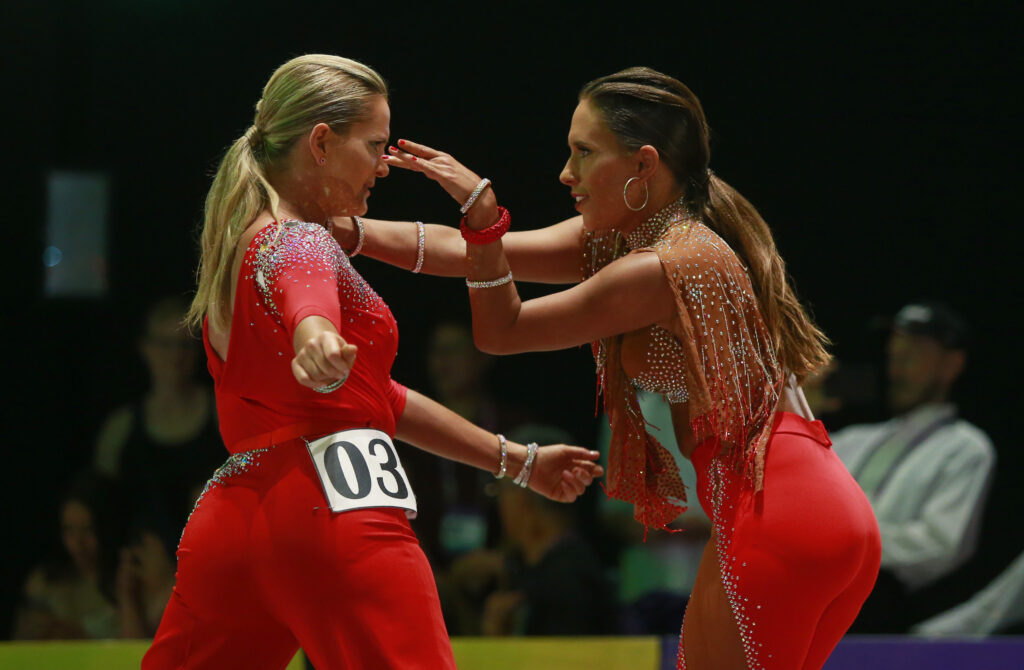
The Federation of Gay Games (FGG) released an official statement in 2025 that reaffirmed their commitment to trans and nonbinary inclusion, while reiterating that local LGBTQ+ individuals continue to work diligently on the event. Notably, València 2026 will feature all-gender restrooms and inclusive changing rooms. Additionally, participants will be able to compete according to their gender identity.
“I get really angry when the queer community uses the rainbow flag with only the six colours,” says Diestro. “Here, we vamos a por todas. We go for them all. Because this is an event for us all.”
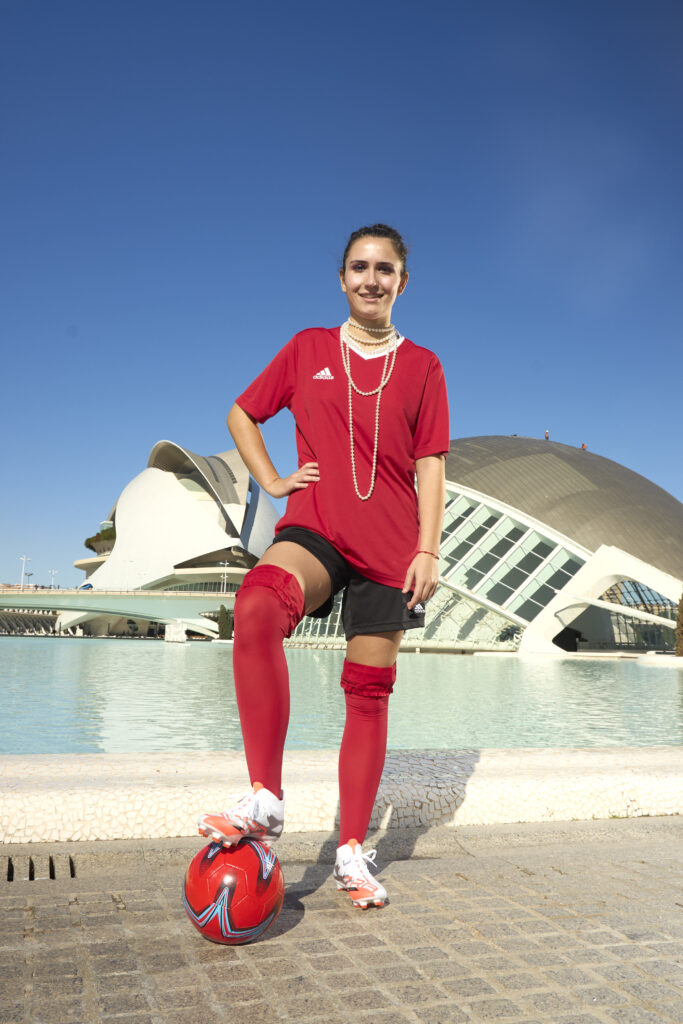
València, after all, is already a choice destination for queer travellers visiting Spain’s eastern coast. It’s got delicious paella and gazpacho, sunny weather, dynamic modern architecture, a local music scene and lots of queer nightlife. Gay Games organizers hope that the 2026 iteration will raise the city’s profile even further. No fewer than 39 competitive sports will take place, and the organizing committee has strategically dispersed them across the city, to encourage visitors to visit different parts of the city. That includes El Jardín del Turia, the València Cathedral (Pl. de l’Almoina, s/n, Ciutat Vella, València) and La Ciudad de las Artes y las Ciencias (Quatre Carreres, València), an architecturally dramatic museum complex that doubles as an emblem of the city and has appeared in movies and shows like Tomorrowland and Andor. Mateo says the city’s “entire sports ecosystem” will be activated, requiring some events to be staged at several venues simultaneously.
“The games are not only for participants but also for visitors,” says Diestro, who is an original member of the 2026 organizing committee. “We say that since València is crossed from west to east by an old riverbed, we want the games to be a river flowing both ways. We want to immerse visitors in it, get them wet in it. We want them to realize that this city, this land, is much more than sun, beach, sangría and partying.”
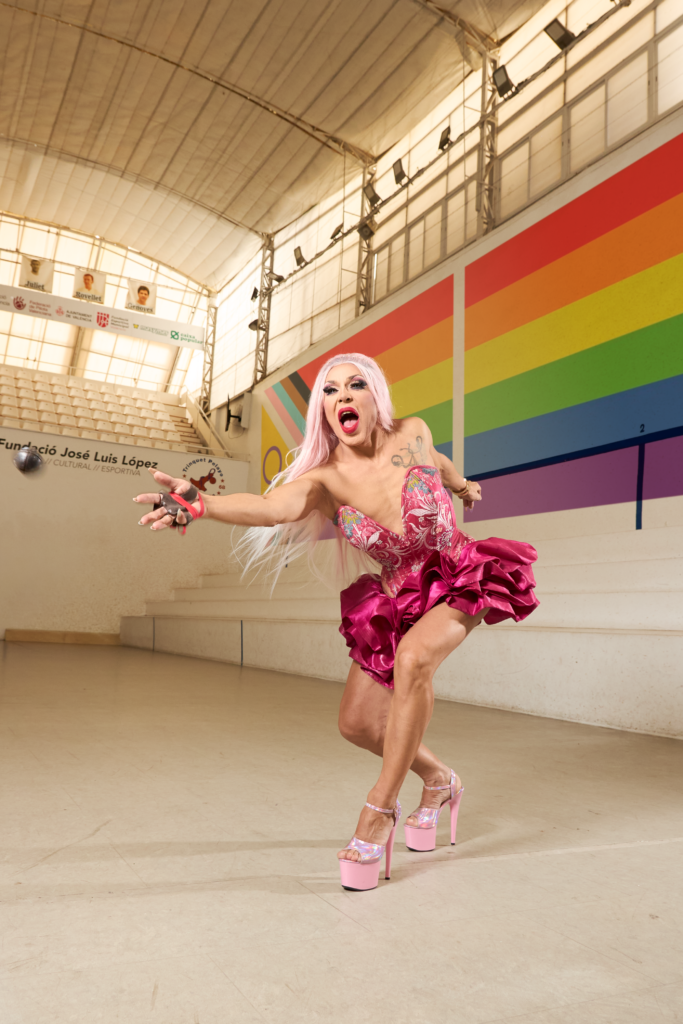
This year’s ceremonies will feature two new non-competitive sports that exemplify Valencian culture: colpbol, an all-gender, modified form of handball; and pilota, a fast-paced discipline which has been described as “tennis without rackets.”
Meanwhile, the city’s plethora of jogging and biking paths will greatly bolster the Games’ running events, immediately setting València’s events apart from Guadalajara’s. In 2023, that city’s infrastructure and event schedule led to runners colliding with each other on paths that weren’t meant for long, structured running events at night. Granted, this had more to do with the relatively short window that Guadalajara was allotted for organizing the event that year.
Despite all the politics, the Games have also inspired an overhaul of the city’s tourism industry that includes structured training for hotel, restaurant, service and leisure workers in the specific needs and requirements of the LGBTQ+ community, focusing especially on the needs of trans and nonbinary people and people with disabilities.
“When we do training for workers in the city, for volunteers, for people working in sports facilities, some of them already know the difference between cisgender and transgender people,” says Diestro. “But how should they approach, for instance, a nonbinary person? That’s legacy, because they will learn it and they might apply what they learn during the week, and the week after.”
Tesler, who will be competing alongside his husband in the 5K this year, recalls searing moments from past opening ceremonies, when representatives of competing countries joined the parade of nations. “When somebody’s got the flag of Jamaica or another homophobic country, they’ll participate, but they’ll wear a mask because if they have to go home, they know that their lives could be destroyed.” Consensual same-gender activity between men is legally punishable by up to 10 years of prison in Jamaica.
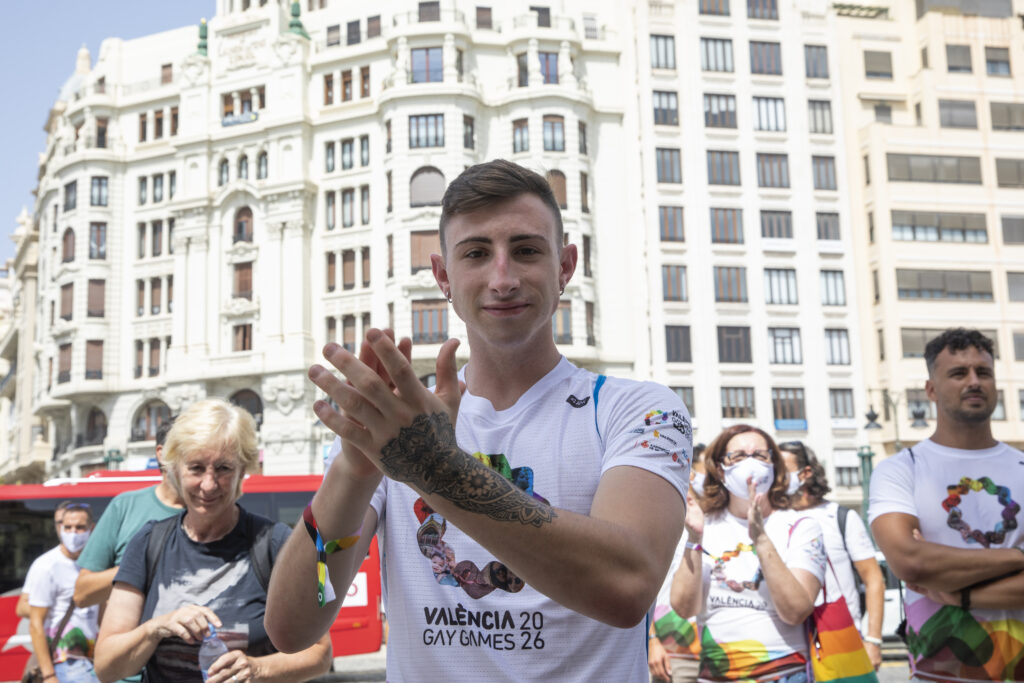
Dr. David Smith, a lecturer of Kinesiology and Sport Management at Gonzaga University in Spokane, Washington, will be competing in this year’s swimming events. What he’s most excited for, however, is the opening ceremony. “Seeing athletes from all over the world come in during the parade, with people cheering them on—that’s one of my favourite parts. You just feel part of something bigger,” he says. “I often tell people, I’m going there just for the opening ceremonies alone.”
Considering the global nature of the Games, this year’s organizers seek to leave a legacy in València that will endure for decades to come. In one example, the games will support the creation of a journalism school focused on diversity. “Students from more than 10 national universities will participate, with the aim of generating a fairer, more pluralistic and more responsible narrative about the LGBTQ+ community,” says Gómez.
The 2026 Gay Games might have faced early funding obstacles, organizational drama and governmental upheaval, but that legacy of inclusivity is what makes Gómez feel hopeful about this year’s proceedings.
“Ultimately, the true success of the Gay Games will be measured by what remains after the spotlight fades: a more educated, more aware, more inclusive and more engaged city; a better-prepared tourism sector; a more diverse sporting landscape; and a more visible and supported LGBTQ+ community,” he says.
“This life full of diversity can’t stop existing the minute after the Games are closed,” says Diestro. “The Games have to go beyond.”
Registration for Gay Games XII València 2026 is now open, with a basic fee ranging from US$150 to US$215 depending on country of residence. The basic fee includes access to the opening and closing ceremonies, an urban transport card, a welcome bag, entry to the Festival Village—the event’s official meeting hub, featuring entertainment and local performances—and participation in signature events like the International Rainbow Memorial Run and Pink Flamingo celebration, a playful fusion of drag, dance and artistic swimming. Registration in individual events ranges from roughly US$55 (for swimming) to US$160 and US$330 (golf and sailing, respectively). The ten-day event, which will feature workshops, talks, art exhibitions and 39 competitive sports including same-sex figure skating, will take over València from 27 June to 4 July 2026.
Interviews with David Gómez and Charo Navarro Mateo were conducted in Spanish and translated into English.