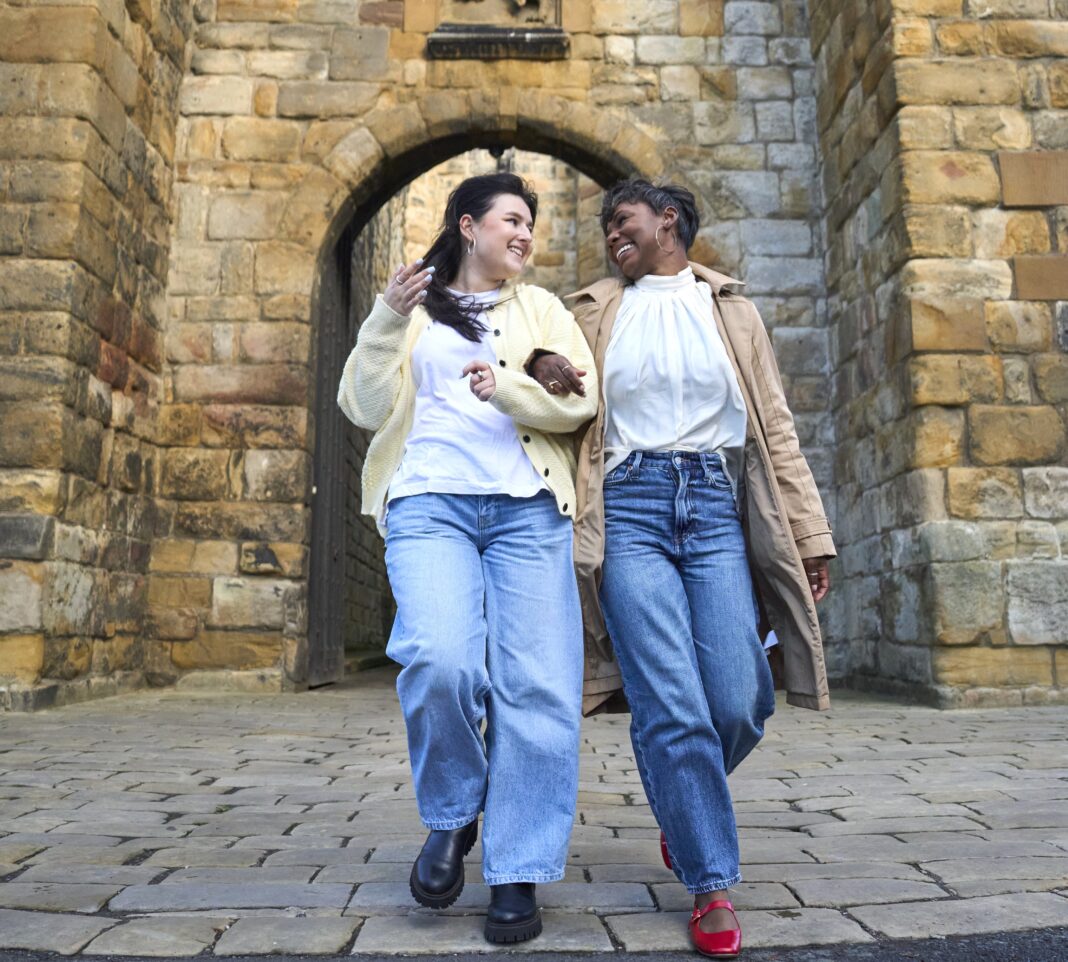
In this world of Google, AI and endless social-media posts, one of the most radical things a traveller can do is head out on an excursion with no expectations, to submit to being completely surprised, to not do the research. To see the name of a place, get the basic gist and say, “I’ll go there and see.”
As we made the 45-minute drive from our hotel to Kielder Observatory (Black Fell, Kielder, Hexham, Northumberland), I wondered where the hell my friend and I were actually going. I mean, I knew it was an observatory and had something to do with the stars. But what the experience of visiting would be like, I had no idea. The road we were driving on was narrow and pitch-black. In this densely populated island nation, where someone was always coming along, I was quite sure if something happened on the way, that no one would find us, for a while at least. The drive was through the massive Northumberland National Park, which has only about 2,000 people inhabiting its 1,500 square kilometres.
The park, as big and unpopulated as it is, includes three of the most interesting attractions in the north of England: the observatory and the surrounding dark sky park Kielder Water & Forest Park; Hadrian’s Wall, built by the Romans between 122 and 128 C.E., to separate their empire from the Celtic tribes to the north; and a geological feature called the sill, a 4,500-square-kilometre sheet of igneous rock dolerite that covers a large swath of the north of England, creating a dramatic and often daunting landscape. In fact, Hadrian’s Wall and the dark sky park both exist as they are because of the sill. For the Romans, the sill provided a terrain of rocky cliffs that in part form the foundation for much of their wall. Besides, the rough territory beyond was probably not worth messing with the fierce Celtic tribes who lived there. The dolerite foundation of the sill also means that the land is not as productive as elsewhere, so farms support relatively few people, which means less light pollution, much more wilderness.
When we arrived at the observatory, we could make out the outline of some structures, trees, but little else. After we turned off our headlights, the only artificial lights were low on the ground and red—red lights apparently don’t cause our eyes to “turn off” night vision. Based on movies, I was expecting perhaps a huge metal dome, people in lab coats. But as we got closer to the main building, what came into focus was something nautical, wooden and boxy. The observatory, it turns out, was designed to emulate a pier; the off-the-grid self-powered structure has won several design awards.
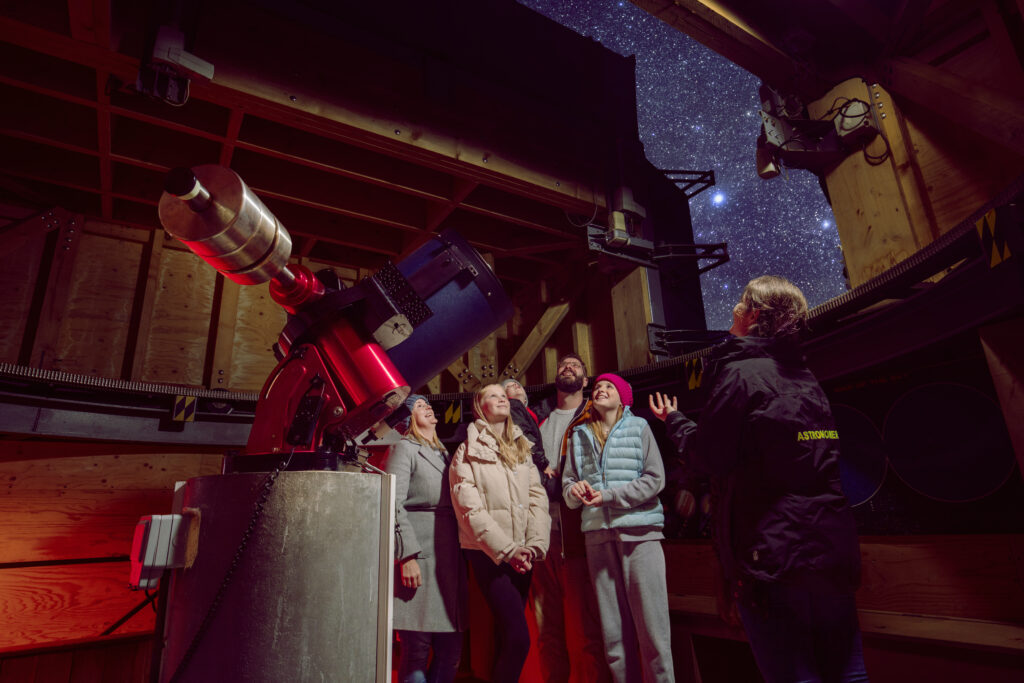
Inside was a merry band of mostly young scientists and astronomy enthusiasts. After a video presentation and a short lecture, the 20 or so visitors were split into groups that rotated among two large telescopes and two smaller ones. A host would call out a constellation, star or other heavenly body, or take suggestions of one to look for, and then we visitors would take turns looking up at it through the telescopic lens. The observatory’s shutters rotate by hand crank; in the dark, it felt like we ourselves were rotating, not the roof. Shuffling around in the low light, we were barely able to see each other’s faces, but looking up—I have never seen so many stars. We were told that because of the lack of clouds and the low humidity, our viewing night was in the top 10 percent of observatory experiences. Though I am not an astronomer, the star gazing burst open my sense of wonder. The clarity of the view, the ability to ask questions and the remoteness of the location made it a most magical experience.
It’s hard to find an LGBTQ+ angle to astronomy, though one of our hosts did name drop Caroline Herschel (1750–1848), considered the “queen of astronomy” as the first paid female astronomer. Living in Hanover during the Holy Roman Empire, she discovered several comets but did not marry or have children. Take that for what it’s worth.
The many surprises of our Kielder adventure contributed as much to my delight as anything else. I was so glad to have gone into it a little naive.
I didn’t do much research either for my hike along Hadrian’s Wall, but I had certainly heard of it. A tangible reminder of the outer limits of the Roman Empire, it stretches about 118 kilometres, from Wallsend (now a suburb of Newcastle upon Tyne; you can read our insider’s guide to LGBTQ2S+ Newcastle here) in the east to Bowness-on-Solway in the west. Active as a Roman military frontier for roughly three centuries, the wall’s military importance diminished and it gradually fell into disrepair during the early medieval era. Though much of it is ruined after almost two millennia of stone-robbing and erosion, many stretches remain visible and accessible as part of the Hadrian’s Wall Path, a long-distance walking route that follows the wall.
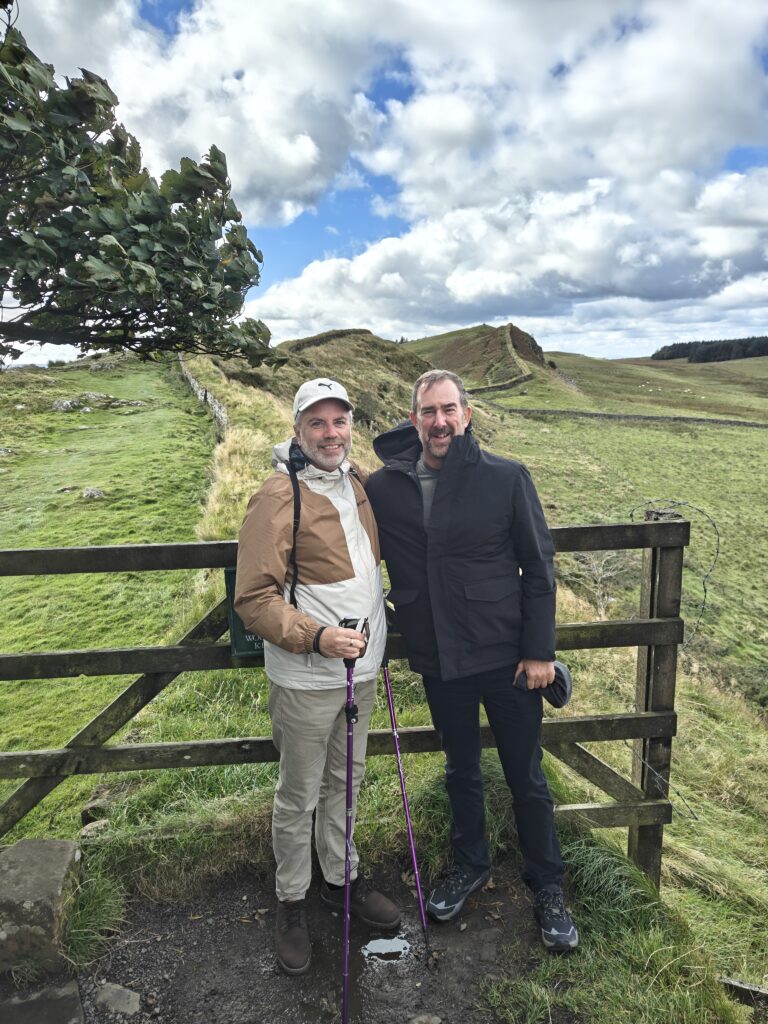
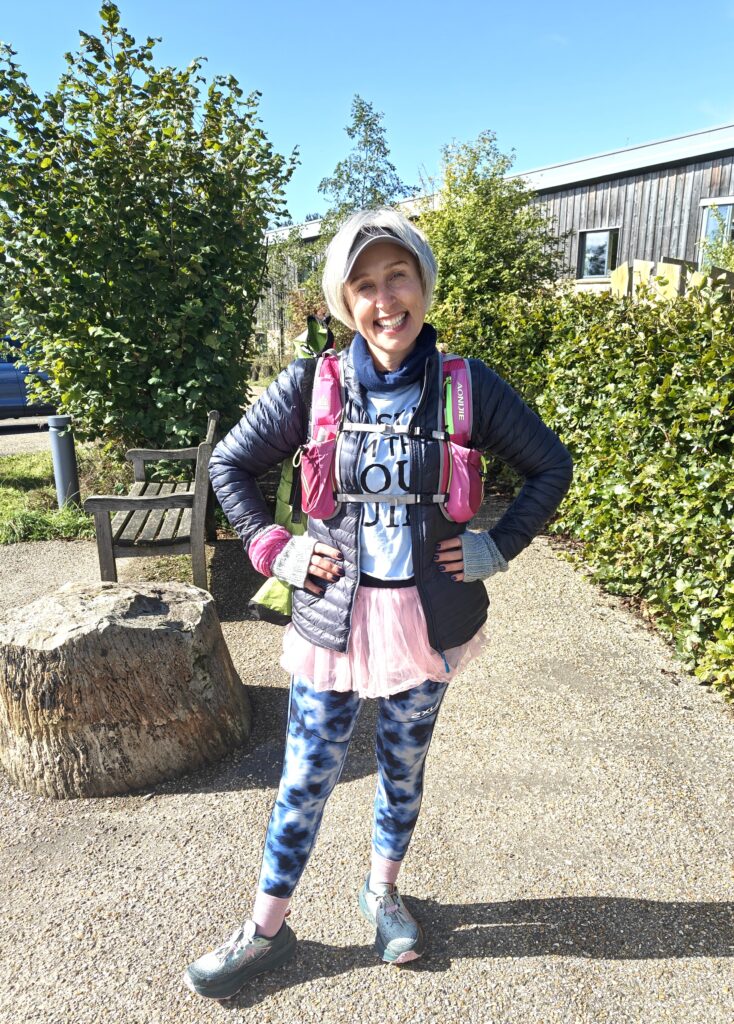
We hiked the stretch closest to The Sill: National Landmark Discovery Centre (Once Brewed, Hexham, Northumberland), where there’s a short rehabilitated section where visitors can walk on top, though most of the walk is alongside the wall and its gates. When our guide Claire Knowles, chief experience organizer of the small-group tour company Curious Compass, showed up in a pink tutu and blue leggings, we knew the three-hour hike was going to be anything but dull. With roaring cheerfulness, an encyclopedic knowledge of the sill and the wall, and a knack for suggesting the best photo opportunities, Knowles was the perfect companion for an exploration of the wall and local history. She had a greeting and something nice to say to everyone we passed on the way, setting the tone for a very sociable outing. (Curious Compass also hosts a seven-night Women Walk the Wall tour, a women-only accommodation-and-meals-included hike of the wall from end to end; the next one is September 13 to 20, 2026.)
The man who ordered the wall be built, Hadrian, the Roman Emperor from 76–138 C.E., had several documented male lovers, the most famous being Antinous, a young Greek companion whose death in the Nile led Hadrian to mourn him publicly and even elevate him to divine status across the empire. When Hadrian came to northern England to supervise construction in 122 C.E., he brought with him an entourage that might have included male lovers, though there is sadly no evidence Antinous came along as Hadrian’s plus-one. But we can dream that Hadrian invited one of the local barbarians into his quarters?
It’s not just the wall’s history and construction that are fascinating. The undulating landscape, with meadows rising like sand dunes looks out on a barren area, the expanse of which would give the Romans lots of time to prepare before intruders arrived. It was at the cliffs of Whin Sill overlooking Crag Lough that Game of Thrones author George R.R. Martin thought of his ice wall, where the Night’s Watch stood guard to keep out the northern “wildlings.” Riffing on the HBO series, I stood at the top of the steep grey rock face, which looked like a wall of ice, and muttered to no one but myself, “You know nothing, Jon Snow.”
The section of the wall closest to the Discovery Centre also takes visitors past the Sycamore Gap, a spot that was once inhabited by an extremely photogenic century-old tree that was deliberately cut down by vandals in 2023. (In 2025, two men were sentenced to more than four years in prison for the crime.) There is an impromptu memorial to the tree at the site, where new shoots and seedlings have been observed.
The sill also had an effect on the development of Northumberland’s coast. Two of the most picturesque castles in the region look as spectacular as they do because they’re built atop craggy pinnacles of ancient volcanic rock overlooking the North Sea.
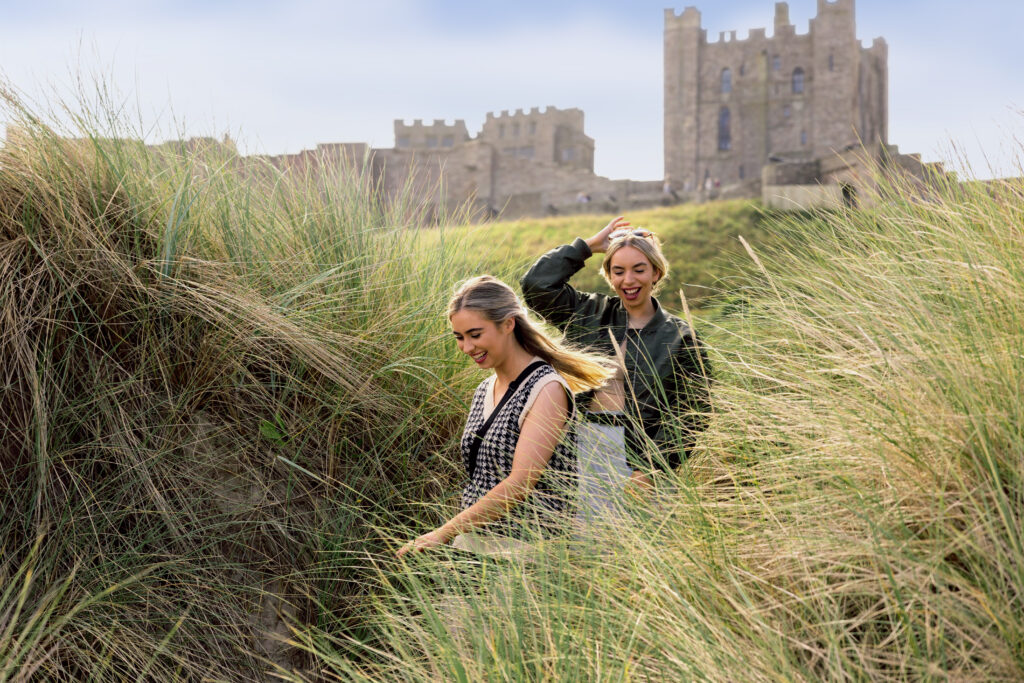
Bamburgh Castle (Bamburgh, Northumberland) is big, blunt and elemental, with walls that feel grown out of the rock rather than built on it. The seat of the Anglo-Saxon kings of Northumbria long before England existed as a unified country, there was a fortress here before the main sections of the castle were completed in 1164, during the reign of King Henry II. With extensive additions and renovations over centuries, it’s been owned by Victorian industrialist William George Armstrong and his descendents since 1894. The interior doesn’t compare to nearby Alnwick Castle (Alnwick, Northumberland), owned by the Percy family since 1309 and a filming location for the Harry Potter films and Downton Abbey. But Alnwick doesn’t have the sweeping views from the ramparts over sand dunes, tidal flats and the Farne Islands.
Also perched on the sill, just a little farther north, is Lindisfarne Castle (Holy Island, Berwick-upon-Tweed, Northumberland). The castle itself was built around 1550, not as a noble home or to defend against the vikings but to ward off the Scots. It was renovated in 1901 by Edward Hudson, founder of Country Life magazine (who remained single into his seventies), who turned it into a highly idiosyncratic arts-and-crafts-era retreat with stripped-down interiors, repurposed naval fittings and a deliberate monkish austerity.
Part of the thrill of visiting Holy Island is getting there; it’s only possible to walk or drive there when low tide reveals a causeway. Visits need to be accurately timed or, guess what, you’re staying the night.
We hadn’t planned on visiting Holy Island. In fact, I didn’t even know there was a castle there until we saw it in the distance. But we saw a sign and then realized that the tides were in our favour. They were so in our favour, in fact, that we beat the lineup of cars coming across the causeway behind us. Once in a while, impulsiveness works in a traveller’s favour.
Where we stayed & ate
Battlesteads Hotel & Restaurant (Wark, Hexham, Northumberland). We must be in dark-sky territory—the outdoor lighting at this property is all red, so as not to disrupt a visitor’s night vision, and there’s a small observatory down a path out back of the hotel. The rooms are roomy and modern. The folksy restaurant serves delicious meals that draw heavily on locally produced ingredients, as well as serving duck, chicken and salmon from their on-site smokery. Retreat to their comfy bar, complete with plaid chairs and a fireplace, after a night of star gazing.
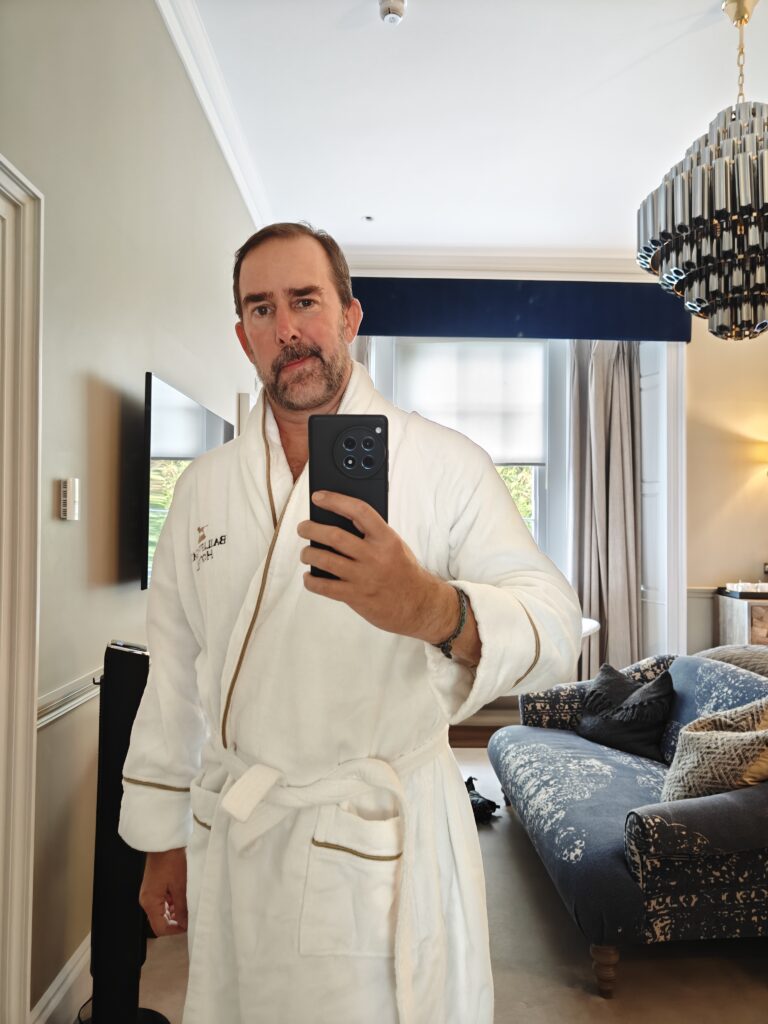
Bailiffgate Hotel (2-8 Bailiffgate, Alnwick, Northumberland). Formerly the Duke of Northumberland’s Commissioner’s house and later a school for training girls in household work, this gorgeous building reopened as a 48-room luxury hotel in Spring 2025. Not a detail has been overlooked in either the historic building or the newly built annex, with modern takes on the Georgian aesthetic. Our room had a chandelier of grey glass tubes, a bathtub by the window and a view of Alnwick Castle. Stunning.
The Cookie Jar (12 Bailiffgate, Alnwick, Northumberland). The décor of this restaurant and inn has a jaunty, almost coastal feeling, with the blue-and-white colour scheme carried through its furnishings and objets d’art. The cuisine itself is elevated in both preparation and presentation, with a menu featuring seafood, beef, chicken and venison matched with an array of delicious comfort-food sides.
White Swan Hotel (Bondgate Within, Alnwick, Northumberland). It’s worth stopping for a sandwich and a pint at this 300-year-old coaching inn for a peek (for a small fee) at its Olympic Suite, which is outfitted with original panelling, mirrors and ornate ceilings salvaged from the RMS Olympic, the Titanic’s sister ship.
The Lindisfarne Inn (Beal, Berwick-upon-Tweed, Northumberland). Well situated for visits to Holy Island and Bamburgh Castle, and close to the Scottish border, this is a classic room-at-the-pub English accommodation. Once you’ve checked in, there’s a pint and fine fish and chips waiting for you downstairs.
Walled Garden Café (The Gardens, Radcliffe Rd., Bamburgh). Owned by the family that owns Bamburgh Castle, this is literally a walled garden, dating back to the 1600s. As well as the popular café, which serves sandwiches and other goodies for lunch, there’s a children’s play area and beautiful plants and flowers.
A must-visit for book lovers
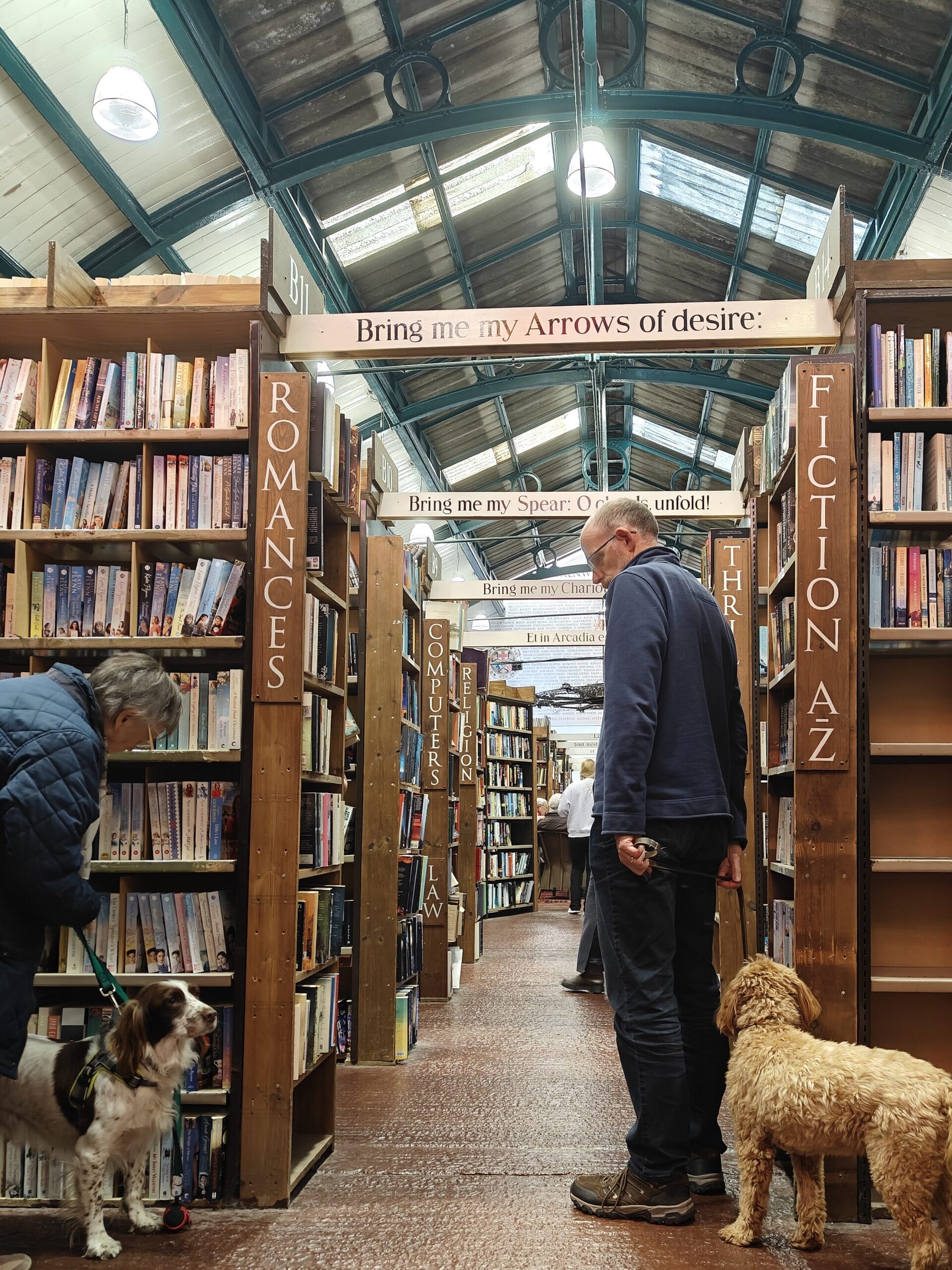
Barter Books (Alnwick Station, Alnwick, Northumberland). Actually, even if you hate books, it’s worth visiting this quirky second-hand bookshop, which occupies almost all of the former train station. Toy trains whisk around elevated railways supported by the shelves. There are fireplaces, armchairs and a café. Staff don’t seem to mind looky-loos taking photos, but be careful not to step on a chihuahua while you’re gawking—it’s a dog-friendly space and the locals take advantage of it.
Getting out on the water
Serenity Farne Island Boat Tour (1 Harbour Rd., Seahouses, Northumberland). Over the centuries, there have been monks and lighthouse keepers inhabiting this tight cluster of low, windswept islands just off the Northumberland coast, but it’s primarily the stomping ground of puffins, guillemots, razorbills, Arctic terns and grey seals. This boat-tour company offers several types of cruises, including sunset.
Editor’s note: The cost of the writer’s trip to Newcastle was covered by VisitBritain. The sponsor of the trip did not direct or review coverage. The views expressed are the writer’s own.