When Tom Klick moved to Berlin from Frankfurt 30 years ago, the people he knew living in Berlin told him, “I don’t know any Berliners. All my friends are from somewhere else.” Klick was like, “What’s wrong with you that you can’t meet Berliners? Then I found out, yes, that’s the way it goes.” But there are so many non-Berliners living in Berlin, it all works out.
“When I arrived it was just six years after the wall came down. Everyone was so la-di-da hippie on the meadow in front of the Reichstag. Artist couple Christo and Jeanne-Claude had just wrapped the Reichstag in silver fabric. It wasn’t the parliament yet. Everything was still un-groomed, unorganized and so nice.” It’s harder to find places to beat the crowds, though they still exist.
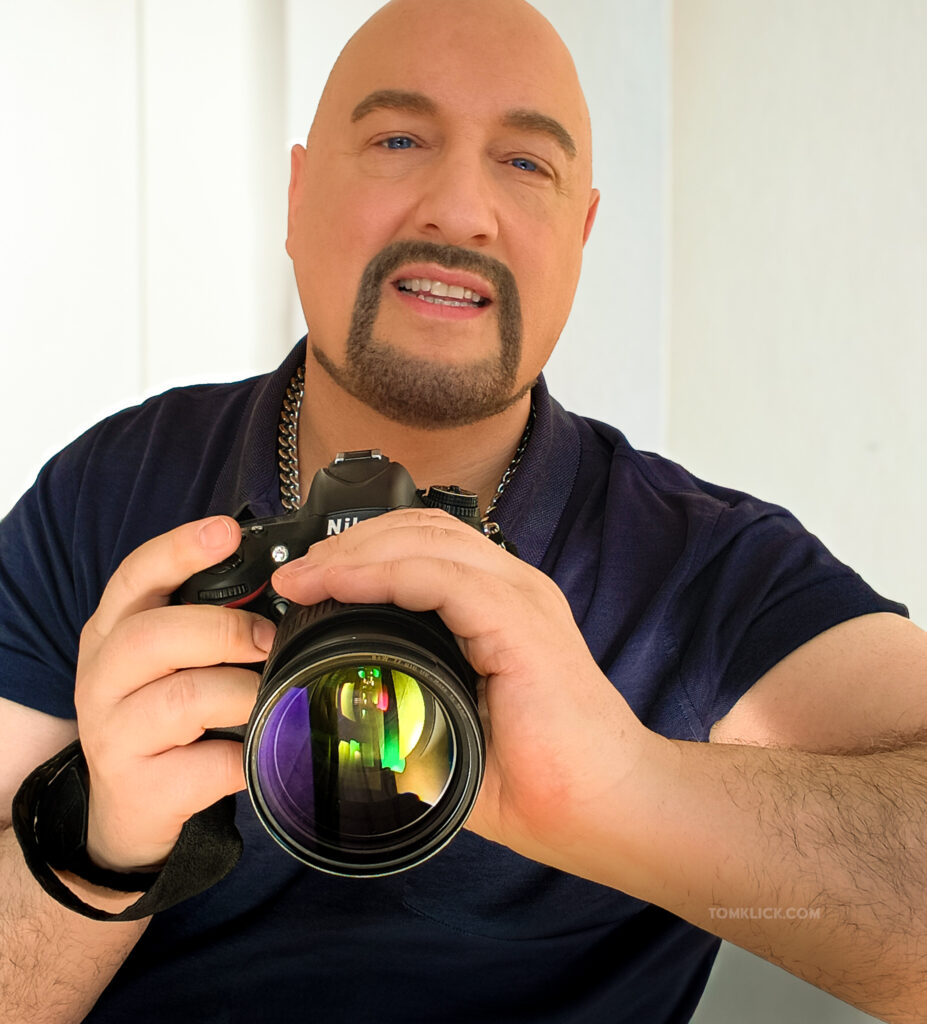
Klick started taking pictures when he was eight years old. “My grandfather had a camera and my dad had a camera. When I got one, I was infatuated right from the start,” says Klick. It was only as an adult, after his move to Berlin, that he started documenting gay culture, particularly the Berlin leather scene. It came about as a bit of a coincidence. He lives in the area where Folsom Europe (September 10 to 13, 2026) happens—Schöneberg, centred around Fuggerstraße and Welserstraße, which has had a large LGBTQ+ population dating back to the 1920s, making it the world’s oldest gaybourhood.
Wander+Lust talked to Klick about his photos, his neighbourhood and how he got into shooting leather guys, even though he’s not a leather guy.
How did you come to document so much of Folsom Europe and Berlin’s fetish culture?
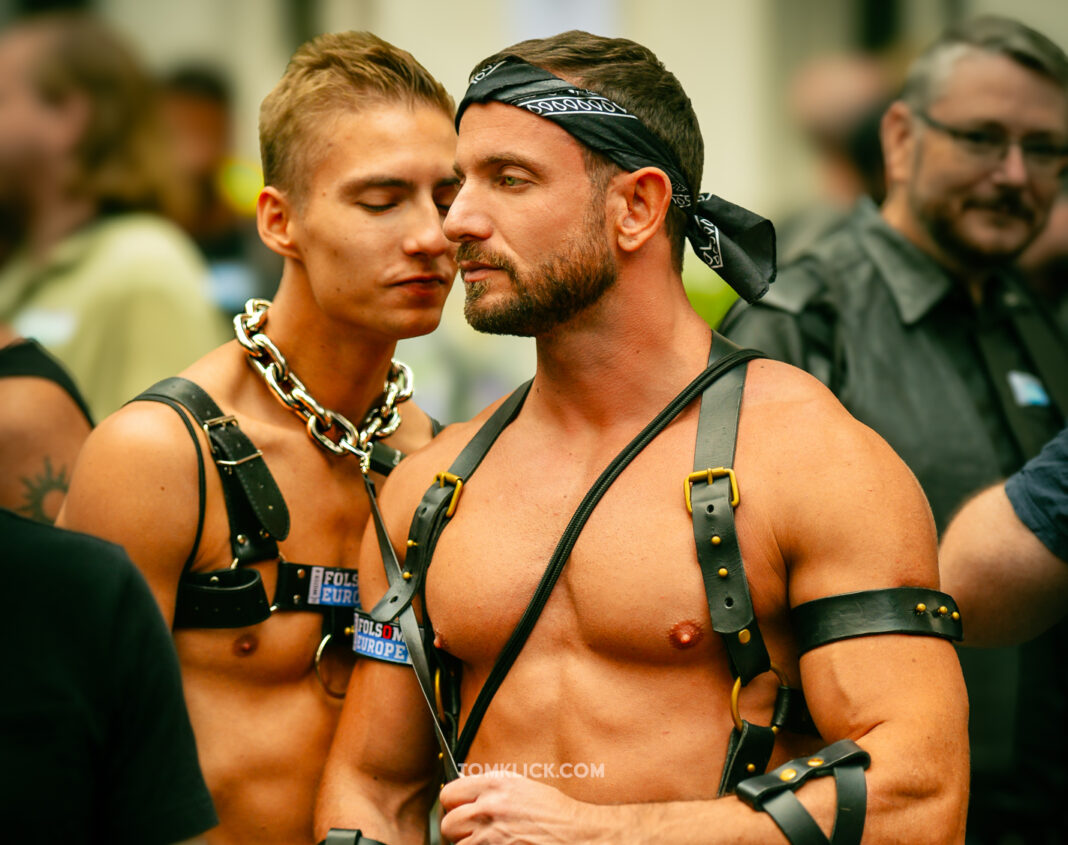
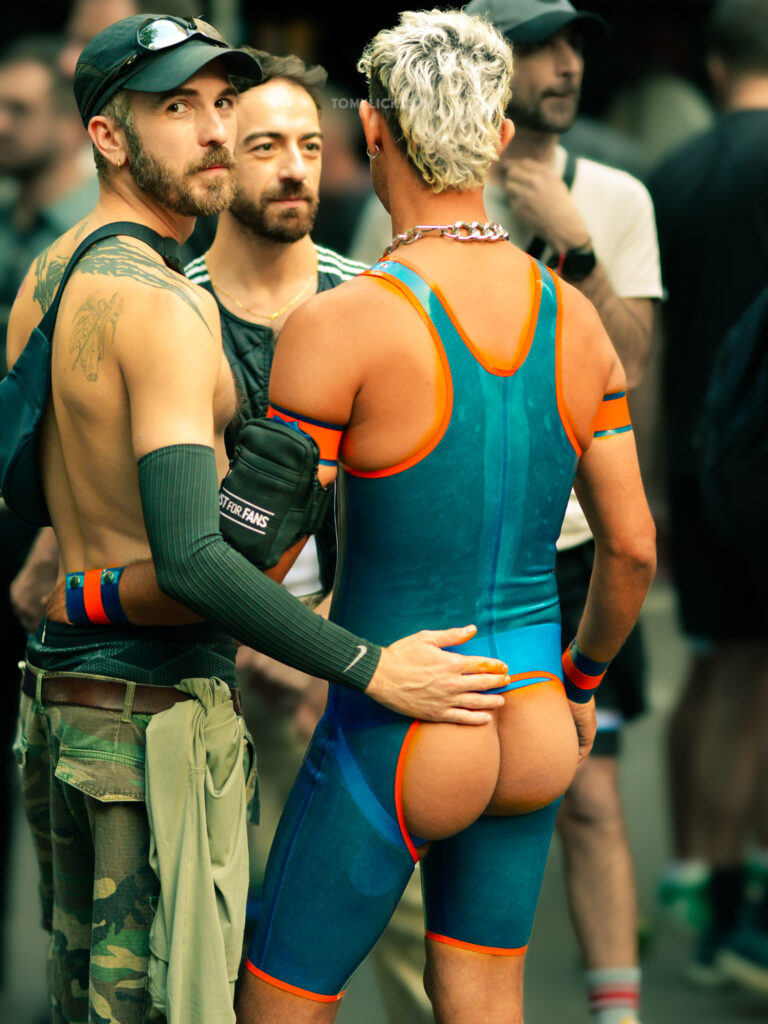
I went to one of the first Folsom festivals, back when I lived in Kreuzberg. It must have been more than 20 years ago. I immediately liked the atmosphere. It was so different from the other gay events in Berlin or elsewhere. Back then, most of my friends wouldn’t go. People have forgotten that back then, even in the gay community, the whole SM thing was not mainstream. I thought it was great, because there was an atmosphere of being inclusive without trying. Everybody, really everybody was welcome—I have never had a piece of leather on me in my life, clothing-wise. Still, it didn’t matter. I remember sitting in one of the huge bars, Prinzknecht (Fuggerstraße 33, Berlin), which is still operating and very popular. Some of the windows were open and the festival was happening in the street. I noticed that people had come as themselves—in the way they expressed their sexuality, and in all other respects too. Nobody expected BDSM to become a mainstream thing, or Folsom still being here after all these years. So I started bringing my camera and photographing it.
Over the years, have people become less shy about strutting their stuff and having their photo taken?
The festival has changed a lot. It’s a confined space because it’s basically one small street, the one in front of Prinzknecht, which is closed for the event. With cellphones and cameras everywhere, people don’t care much about that anymore. I rarely have someone say, “No, stop.” What has changed is back in the early days, it was really raw. There was sex happening everywhere. Over the last five years, it’s become way more mainstream, way more crowded, tamer and better groomed. It was about four years ago that they first had signs at the entrance, “No full nudity.” This at a fetish festival in a city where you have naked guys in chastity cages lying around on the Tuntenwiese, the so-called “faggot meadow,” in Tiergarten. It’s an appeasement of gentrification. I mean, we were here first and it’s one damn day of the year. But they have some kind of security running around checking this.
The other thing that’s changed is that it’s become more about looks—about expensive gear, looking the right way. You’ve got guys giving masterclasses in Stockholm somewhere, about being the king of Darklands [the Antwerp gay fetish festival that usually happens in March]. If you’re not in gear 24/7, you’re not doing it right. So it’s a lot of strangers putting down other people. This is something I do not like. My pictures from the early Folsoms are really different from the ones happening now. I still try to find this spirit.
Living on the fifth floor, I overlook quite an area here. When Folsom is happening, you can see the guys everywhere. Around the corner from me is this tiny supermarket. You get this smile from the cashiers there when you ask, “Has Folsom arrived?” They say, “Oh, we’ve seen some stuff.” There’s this shop run by a Turkish family where they sell rotisserie chicken, and the woman there tells me that Folsom is the nicest festival because there is no gay bitching—everybody queues, everybody is friendly, but they all look like they’ve just arrived from a war zone.
When we were setting up this interview, you mentioned you’re not a big nightlife guy. But you live in the heart of Schöneberg. What do you like about the ’hood?
I was looking for a place to live where there were no shops underneath. Basically, 12 years ago, it was easy to get an apartment here. When I go to Folsom, I can mix gin tonics in one of those protein shake things and have my own drinks all day. And my friends can come and use my bathroom. It’s also convenient for going to bars like Prinzknecht or my favourite, Woof Berlin (Fuggerstraße 37, Berlin). That’s the bar for the big bears, where I belong. Whenever I bring other friends, they ask, “Can I go there if I’m not a bear?” Of course, everyone’s welcome. Woof also has a tiny dark room. Prinzknecht has a dark room too.
You also have Prinz Eisenherz (Motzstraße 23, Berlin), one of the oldest gay bookstores in Germany. They have a great variety of everything, even English books. Of course, around Motzstraße and Fuggerstraße, you can find any gear you want at places like Mister B Berlin (Motzstraße 22, Berlin) and RoB Berlin (Motzstraße 25, Berlin). Maskulo (Fuggerstraße 19, Berlin) has harnesses that are 4 or 5 XL.
Wagner Berlin (Motzstraße 32, Berlin) does bags and underwear and stuff that the owner is designing and making himself. You can watch him sewing. It’s out of the mainstream. There’s also Butcherei Lindinger (Motzstraße 18, Berlin), which is quite expensive but high quality leather, because the guy designs it all himself. A little farther away is an SM club called Quälgeist (Lankwitzer Str. 42/43, Berlin). It’s a word you use in Germany if somebody really gets on your nerves, you say, “Oh, he’s a quälgeist,” It means “torture”—they also use it in BDSM. They have different theme nights and great playrooms that are always clean and nice.
Aside from Folsom Europe in the fall, there’s also Easter Berlin Fetish Week in the spring, right?
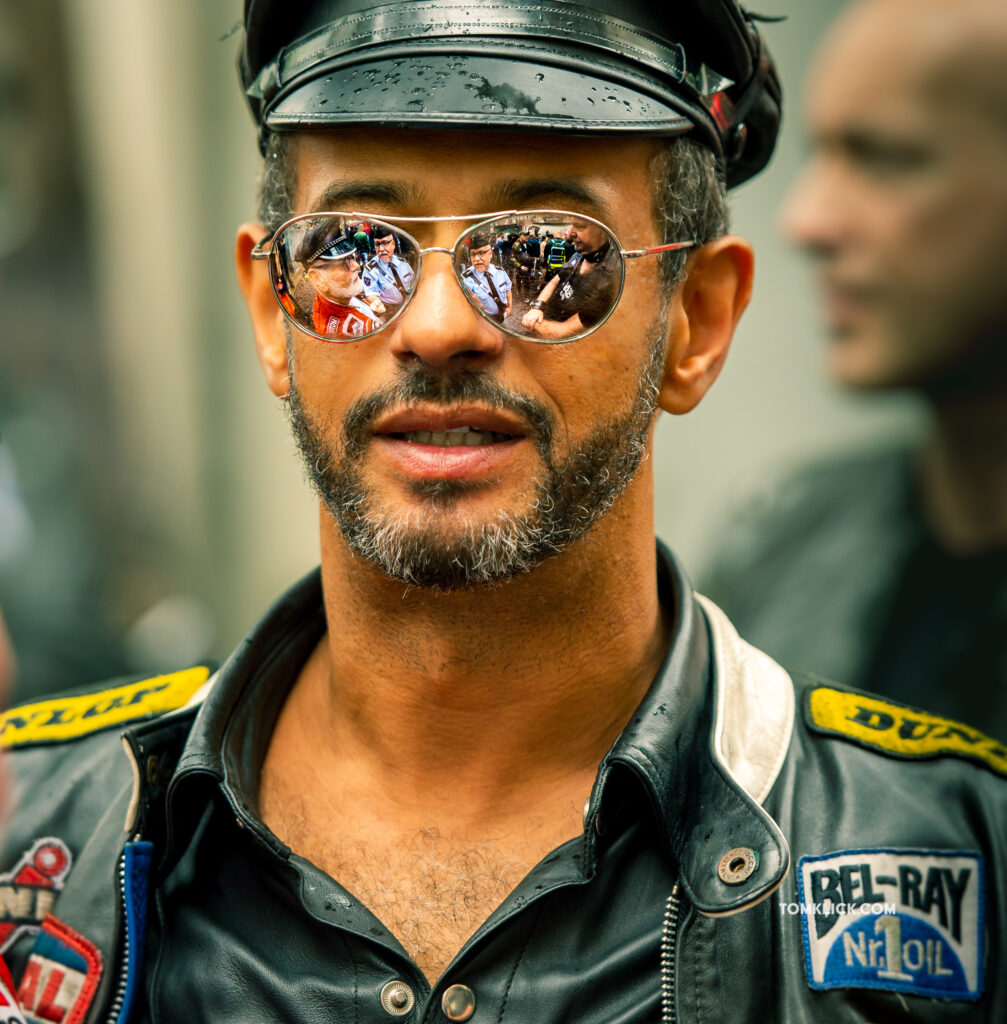
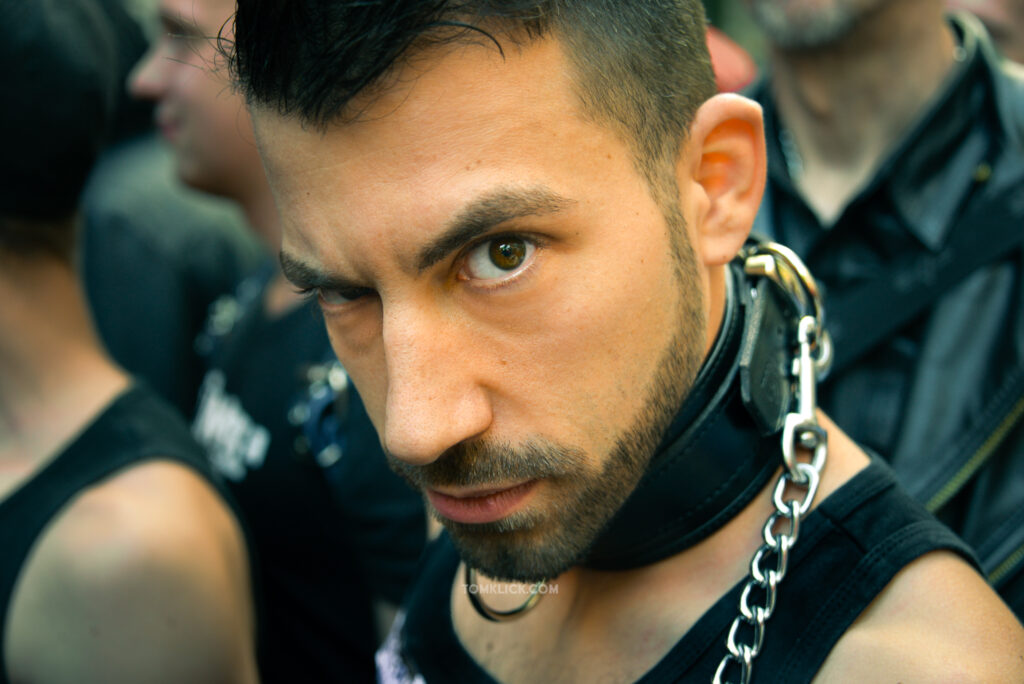
Yes, and remember, they’re booked up months in advance. Try to find a place to stay early on, because so many people come here for it every year. I always say, don’t be afraid. You see in the pictures, guys all in leather or fetish gear. That makes for more interesting pictures. But I have never worn any leather when I go, and it’s totally okay. There is no right, there is no wrong. If you enjoy having your friend on a dog collar and you’re dressed normally, then that’s your thing.
And for non-gay stuff?
You can do something else except drinking and having sex in Berlin. Just around the corner is KaDeWe-Kaufhaus des Westens (Tauentzienstraße 21-24, Berlin), the famous mainstream Berlin department store. I’m about a 10-minute scooter ride from Berlin Kulturforum (Matthäikirchplatz, Berlin) where the huge galleries are, like the Neue Nationalgalerie, which was designed by Mies van der Rohe—a huge building with great works of expressionists and others. Then the Gemäldegalerie, where you can basically walk through art history. They have paintings that, in the Louvre or the Prado, you would have to queue for hours to see. Sometimes I think it’s because the museums in Berlin are so bad at marketing that we can just go there and stand in front of these masterpieces instead of having to navigate crowds.
You have an Italian boyfriend, I think?
Boyfriend is not the right word, but it’s a great relationship. He’s from Venice. If you open a hookup app in Venice, there are guys from all around the world there—it’s such a familiar hotspot of tourism. Italian guys are really handsome, so that makes it easy. I have also found out over time that Venice doesn’t have to be expensive. If you get away from the tourist highway between Piazza San Marco and the Rialto Bridge along the Canal Grande, you can easily sit somewhere and get an espresso for one and a half euros, an Aperol Spritz for four euros, instead of a 10-euro cover charge and a nine-euro espresso. You go a few bridges from the tourist highway and suddenly it’s a small Italian city where vegetables are being sold off a boat. Just follow the locals. They are always wearing sunglasses.
This interview has been edited for length and clarity.