LGBTQ2S+ fandoms can be inconsistent. During any given episode of Drag Race, fans might direct insults at a queen for not knowing the words to ““Rain on Me,” but then turn around and say they loved their runway looks.
One global cultural event has made us particularly ambivalent: the FIFA World Cup. We love it and we hate it, and this year is no different—thanks in large part to events in the United States.
Ambivalence toward the Cup has been especially strong since 2018, when the tournament controversially took place in Russia. The country at the time had a “Gay Propaganda” Law, which banned distribution of information about “non-traditional sexual relations” to minors and effectively banned public discussions about LGBTQ+ issues; Russia has continued to pile on even more anti-LGBTQ+ laws in the subsequent years. The next World Cup, in 2022, was held in Qatar, where the penal code punishes consensual gay sex between adults with up to seven years in prison. Qatar also has “public morality” and “community protection” laws that are invoked to arrest trans and gender-diverse people.
This year, the World Cup, which takes place between June 11 and July 19, will be held in 16 cities across Mexico, Canada and the United States. The latter has drawn criticism from the queer community ever since Donald Trump became president for the second time in January 2025. In the last 15 months, Trump’s government has stripped away the recognition of transgender and nonbinary identities in federal documents, including passports. It has also forced cities in Florida and Texas to paint over and dig up rainbow crosswalks, among other rollbacks of queer rights.
Facing this controversy, many LGBTQ+ people are still passionate about “the beautiful game” and dream of seeing a World Cup game live. Others can’t imagine visiting a country that is actively rolling back LGBTQ2S+ rights. Choosing to attend this year is a particularly big decision for Europeans and Latin Americans, for whom soccer—aka football, aka fútbol—is not just a sport, but a way of life.
Gary Ginnaw, an advocate of LGBTQ+-inclusive football in the U.K., says that if he were to attend a U.S. event at the 2026 World Cup, it would feel like supporting a homophobic administration. Seeing the Trump administration’s attacks on LGBTQ2S+ people, which include the recent removal of a Pride flag at Stonewall Monument, Ginnaw has decided not to buy a ticket to the World Cup, not even to a game in Canada or Mexico, so his boycott is clear. “This is the World Cup. It’s for the world. And if the world can’t be invited to it—if the world can’t be safe and feel included, then it’s not the World Cup,” says Ginnaw. “That’s me speaking as somebody passionate about football—it’s something I’ve loved since I was seven.”
In 2017, Ginnaw co-founded Charlton Invicta FC, the U.K.’s first LGBTQ+ football club to formally align with a pro club, Charlton Athletic. Five years later, as a member of the Gay Football Supporters Network (GFSN), he released a joint statement criticizing FIFA for hosting the World Cup in Qatar, a country where LGBTQ+ people possess virtually no rights. He refused to watch most of the Cup that year, save for some of England’s games. “It just wasn’t the same,” he says. “That enjoyment just wasn’t there.” Ginnaw says he will feel the same if he watches this year.
Ginnaw is not the only football fan who’s avoiding buying World Cup tickets on political grounds. Mounting international calls for boycotts have also referenced the Trump administration’s violent immigration crackdowns, travel bans, destructive tariffs and unquenchable thirst for Greenland. Ilia Temelkov, a Bulgarian journalist living in Peru, says that inconsistent border policies could complicate travel for him. “I’m not a political journalist, but I’m still a journalist,” he says. “I’ve expressed some critical opinions online, of the administration and of Trump. It feels like there is a more than zero chance for that to be an issue for me.”
Fans will also have to consider their own safety when attending events where straight—and perhaps homophobic or transphobic—fans will be present. Ginnaw describes himself as “not so visibly queer,” but considers a hypothetical scenario in which that wouldn’t be the case. “I’m not saying that we would go to a game in the U.S. and be affectionate, but what if England scored a last-minute winner and we turned around and hugged each other, you know? What’s the reaction going to be?” he says. “But if it was a man and a woman doing that, no one would bat an eyelid.” Allies of trans fans are also wary. “I think conservative people in the U.S., they’re more transphobic and they have more of an issue with trans rights, and especially trans women,” says Temelkov.
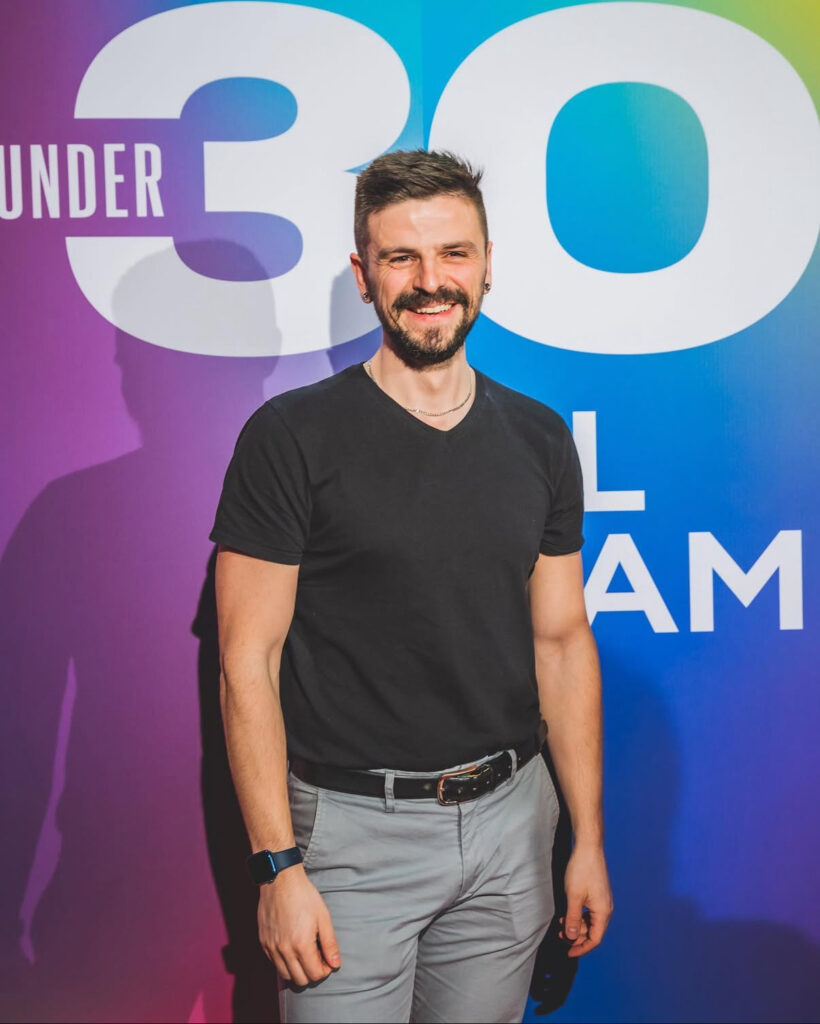
Safety and politics are not the primary reasons why Temelkov has decided not to attend the World Cup in North America, though he will watch it on TV to see which underdog teams emerge as the biggest stars. First and foremost, he says the ticket prices are outrageous. “It’s this trend in sports in general, where these types of events are becoming super inaccessible for normal people,” he says. “It’s more about money and less about the fans.”
While some fans of qualifying teams may receive a discount on entry to events, the majority of single-match tickets cost anywhere from US$1,500 to US$4,000 a pop. But admission fees and travel costs haven’t been the only sources of financial woe. Overpriced, uninspired merch items have also caught strays on social media, notably from fans in Houston, where recently unveiled “Houston 2026” hoodies don’t seem to vibe with this summer’s expected heat.
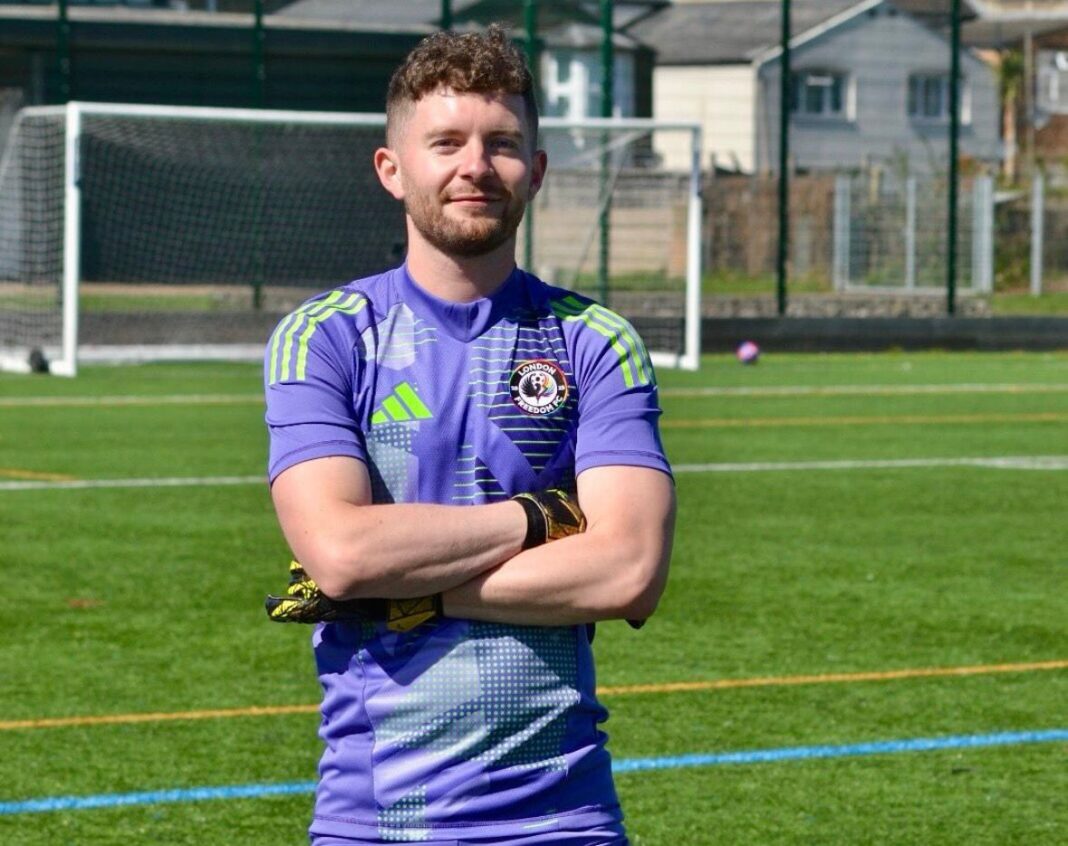
Josh Borrill, who plays for the LGBTQ+ football club London Freedom FC, says that the World Cup is worth the price. Borrill currently has conditional tickets, which means that if his native England makes it to Round 16, he’ll be assured admission to wherever the first match takes place. He made sure to book his flights to potential match sites with generous refund policies just in case. But wherever he lands, he plans to arrive solo and then meet up with friends. This would be his first time attending a World Cup.
“I’ve been saving up air miles for about 10 years,” says Borrill. “I didn’t know what for at the time. I just thought I would need them one day. And now it’s time.”
Borrill is banking on the fact that England’s first Round of 16 match will be in Mexico. “I’m more looking forward to that match in Mexico than in the U.S.A., where although football is on the rise in terms of popularity, it’s not the number one thing over there,” he says. “To play Mexico in their own country, knowing how passionate they are as fans, will be an incredible experience.”
If he ends up going to the United States, Borrill is optimistic that U.S. organizers will rein in homophobic behaviour. “They know that the world’s eyes are on them,” he says. “They know that any aggression toward minority groups is going to be seen and is going to be reported. I think they’re going to make sure that the tournament goes as smoothly as possible from that aspect.”
Regardless of where he ends up watching the game, Borrill is excited by the prospect of mingling with local football lovers and engaging in local culture. He says that being visible as a gay man among straight football enthusiasts could have a beneficial effect in the long run. “There will be a lot of people in that space that haven’t really knowingly interacted with gay people,” he says. “So the fact that you can just go and be like, ‘Yeah, I’m a normal football fan like you, I just happen to be interested in men and want to get married to a guy’—I think that can only be a positive, right?”
Ginnaw admits he’s still conflicted over his decision not to attend. He wistfully calls to mind an experience in Seattle in 2019 that made him believe, if only for a short moment, that he’d attend the 2026 Cup without hesitation.
“Me and my partner, Sam, we did a bit of a road trip. We stopped in Seattle. It was actually Pride while we were out there, and the Seattle Sounders held their Pride match,” he says. “Everywhere, all you could see was Pride colours. You just got a sense that we can actually be ourselves here.” Even though Ginnaw says he and his partner aren’t an overly affectionate couple, that Seattle experience made them feel at home, like they could come back in 2026. But now he concedes, “It’s not how it was.”
Will Ginnaw still watch the matches on TV? After all, when the clock runs out and the final whistle blows, the World Cup is still the most anticipated sporting event of the year. While the Winter Olympics usually get around two million viewers, the World Cup gets around five million.
“There’s so much history to it. You get a sense of pride when the nation is doing well,” says Ginnaw. “I’m not saying I’m not going to watch the World Cup, because I know I will watch the England games. It’s just going to happen.”